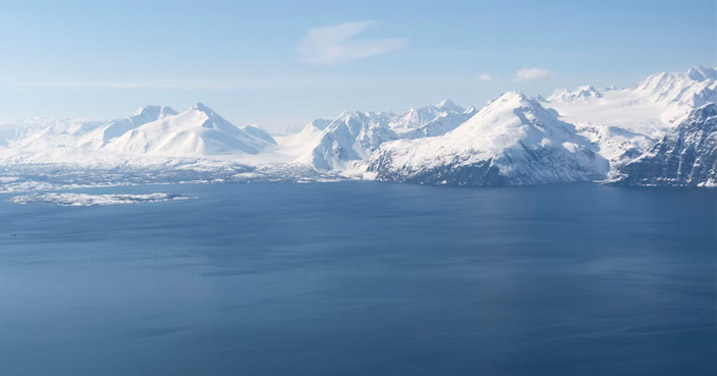
Yachting often conjures images of glamorous harbours and busy marinas like the Côte d’Azur, Amalfi’s cliffside towns, or Dubrovnik’s fortified walls. But for many sailors, true freedom lies elsewhere. Beyond the glittering hotspots are countless coves, tidal islands, and rugged coastlines that remain wild, unspoiled, and wonderfully off-grid. These destinations demand more self-sufficiency, yet they reward you with solitude, wildlife encounters, and a sense of exploration that no crowded marina can offer.
This guide explores some of Europe’s and the UK’s lesser-known cruising gems, focusing on off-grid anchorages and wild coastlines where yachts can connect with nature and heritage in equal measure. From Scotland’s Hebridean spurs to the wind-battered Galician rías, these are places where the sea shapes both the landscape and the lives of the people who call it home.
The Allure of Going Off-Grid
Why choose hidden anchorages over bustling ports? For many, it’s about reclaiming the essence of cruising, with self-reliance, quietude, and discovery. In an era where GPS and marinas have made navigation easier than ever, there’s something deeply satisfying about planning a route to a tidal inlet where the only neighbours are seabirds and seals.
Off-grid cruising also encourages stronger seamanship. Without easy access to chandlers or restaurants, you need to plan provisioning carefully, monitor tides, and practice anchoring skills. It’s a return to the fundamentals of voyaging, providing an experience that is simultaneously rewarding, humbling, and often unforgettable.
- Freedom and self-reliance. Cruising off-grid restores the self-sufficient spirit of seamanship.
- Immersion in nature. You’re more likely to share the anchorage with sea creatures and birds than with other yachts.
- Discovery and authenticity. Beyond the guidebook destinations, you find communities, landscapes, and traditions shaped by the sea itself.
Going off-grid requires preparation and confidence, but the payoff is immeasurable: it’s your chance to feel like an explorer rather than a tourist.
Scotland’s Western Isles: Wild Beauty and Endless Anchorages
Few places rival Scotland’s west coast for sheer cruising variety. The Hebrides, stretching from Mull to Lewis and Harris, offer fjord-like sea lochs, sheltered bays, and remote anchorages framed by mountains and moorland.
- Loch Scresort, Isle of Rum. Backed by the jagged Cuillin peaks, this anchorage combines dramatic scenery with wildlife encounters. Deer roam near the shore, while sea eagles wheel overhead.
- Treshnish Isles. Uninhabited and rugged, these tiny islets west of Mull are home to puffins, seals, and seabird colonies. Anchoring nearby feels like stepping into a natural sanctuary.
- Loch Skipport, South Uist. A deep inlet with multiple anchoring options, offering peace and a sense of isolation. The surrounding machair lands burst with wildflowers in summer.
The beauty of the Hebrides lies not just in its scenery, but in its variability. You might find yourself tucked into a perfectly calm anchorage while watching Atlantic rollers crash onto distant cliffs; a reminder of both the shelter you’ve found and the ocean’s power just beyond.
If you’re looking for practical tips here, keep in mind that tides and currents in these waters are powerful, so consult your tide tables meticulously. Anchorages often have kelp-covered bottoms, so a reliable anchor with strong holding power is essential if you want it to be effective. Weather can shift very quickly here, so even in midsummer, prepare for gales and unexpected shifts.
Orkney and Shetland: Northern Isles Rich in History
Farther north, the Orkney and Shetland Islands offer anchorages steeped in both wildlife and human history. These are waters shaped by Vikings, where tidal races and shifting currents demand respect.
- St. Margaret’s Hope, Orkney. This is a quiet anchorage in Scapa Flow, surrounded by reminders of naval history. Despite its past, the waters now teem with marine life.
- Fetlar, Shetland. Known as “the garden of Shetland,” Fetlar is rich in birdlife, from red-throated divers to rare, red-necked phalaropes. The anchorages here provide both tranquillity and a front-row seat to nesting colonies.
- Papa Stour Caves. Accessible only in settled weather, the caves and arches of Papa Stour offer surreal scenery. Anchoring nearby lets you explore a landscape that feels like the edge of the world.
Orkney and Shetland connect you to both Norse history and thriving island communities. Ashore, you’ll find archaeological sites, local knitwear, and warm pubs, contrasting beautifully with the raw seascapes. The Northern Isles may be windswept and challenging, but for sailors seeking true remoteness, they’re hard to beat.
Brittany’s Rias and Hidden Harbors
Across the Channel, Brittany’s jagged coastline hides dozens of rias, which are deep, sheltered estuaries perfect for anchoring. While ports like St. Malo or Brest attract massive crowds, quieter anchorages reward those willing to seek them out.
- Rivière de Tréguier. Tidal but navigable, this river estuary winds past quaint villages and wooded banks. Anchorages are peaceful and infused with Breton charm.
- Île de Bréhat. A tidal island world, where pink granite outcrops and flower-strewn paths feel far removed from the bustle of the mainland. Timing the tide is essential if you want the best experience.
- Belon Estuary. Famous for oysters, this ria offers the chance to anchor and dinghy ashore to taste some of the freshest shellfish in France.
The cultural richness of Brittany blends seamlessly with its natural beauty, making even short anchoring stops feel rewarding. Tides here are among the highest in Europe. Careful planning ensures you enter and exit safely. But once inside, you’re rewarded with pastoral calm and cultural richness.
Galicia’s Wild Atlantic Edge
Northwest Spain’s Galicia region, known as “the land of a thousand rivers,” is fringed with rías that extend like fingers inland. While the Rías Baixas are popular, the northern Rías Altas remain wilder, offering off-grid anchorages rich in character.
- Ría de Ortigueira. A vast bay flanked by dunes and pine forests, often overlooked by cruising yachts. Quiet villages dot the shoreline, offering a glimpse of authentic Galician life.
- Ría de Cedeira. Smaller and more intimate, this ria feels like a natural amphitheatre. The town of Cedeira provides supplies without spoiling the anchorage’s tranquillity.
- Ría de Viveiro. A blend of history and nature, with a medieval town and surrounding forests. Anchorages here are both scenic and practical.
Galicia’s coast also teems with seafood like octopus, mussels, and barnacles harvested from wave-lashed rocks. Anchoring here isn’t just about scenery; it’s about tasting the Atlantic itself.
The Dalmatian Backwaters
Croatia’s Dalmatian coast is famed for its islands and turquoise waters, but even here, there are quieter corners away from Split or Dubrovnik’s busy marinas. Even in the well-travelled Adriatic, niches exist.
- Lastovo Archipelago. This is a nature park of remote islands with pristine anchorages. Clear waters, pine forests, and traditional fishing villages make it feel worlds away from tourist hubs.
- Telašćica Bay, Dugi Otok. This is a vast natural harbour ringed by cliffs and salt lakes. Though part of a protected park, it remains relatively peaceful compared to nearby Kornati hotspots.
In Croatia, the difference between crowded and tranquil often comes down to venturing just one island farther than most charters go. Here, off-grid cruising often means sailing one island farther than everyone else.
Arctic Fringe: Norway’s Northern Coast
For the truly adventurous, Norway’s northern coast offers anchorages amid fjords, mountains, and the midnight sun. These are just some of the amazing places you can find around here:
- Lyngen Alps. Anchor beneath snowcapped peaks that plunge directly into the sea, with glaciers visible from deck.
- Senja and Vesterålen. Less known than the Lofoten Islands but just as beautiful, with sheltered coves and abundant whales offshore.
- Finnmark Coast. Rugged, isolated, and demanding, but filled with wildlife, from sea eagles to reindeer grazing on shore.
Cruising here requires preparation and respect for the elements, but the sense of isolation is unmatched. Sailing requires significant advanced preparation: cold-resistant gear, robust anchoring systems, and comfort with remoteness. But the rewards, which include auroras, midnight sun, and wildlife, are extraordinary, especially if your primary goal is immersing yourself in nature.
Preparing for Off-Grid Anchorages
Remote anchorages require careful planning, because without marinas, you must rely exclusively on what you bring. Your provisions should cover more than just the expected voyage, because storms or equipment issues can extend your stay unexpectedly. Your fuel, water, and food supply quantities must therefore be calculated generously. Spare parts, tools, and repair kits are essential to bring along with you, since chandlers are rarely nearby. Calculate very generously as you prepare for your journey, including spare food, fuel, and water, and keep in mind that weather delays are common. If you’re adequately prepared, even the worst turns won’t pose a threat to your health or safety.
Anchoring gear should be robust, with strong ground tackle capable of handling shifting winds and seabeds ranging from sand to kelp-covered rock. Good charts, including both digital and paper versions, will help you navigate tidal flows and avoid hazards. Keep in mind that remote anchorages often have kelp, rock, or deep water, so know your anchor’s strengths and carry backup gear. The better informed and prepared you are, the less likely you’ll be to face any issues.
For communication, keep the remoteness of your target locations in mind. Satellite devices or long-range radios provide peace of mind for when your cellular coverage vanishes. Additionally, it’s important to always leave a float plan with someone ashore, just in case you’re rendered unable to communicate.
Finally, respect the “leave no trace” principle: pack out your waste, avoid disturbing wildlife, and use eco-friendly cleaning products (if you use cleaning products at all). It’s a way of preserving these natural and tumultuous environments for generations to come.
The Cultural Rewards of Hidden Coastlines
Beyond scenery, these anchorages connect sailors to cultures shaped by the sea. In Brittany, you’ll taste oysters farmed just feet from your anchorage. In Galicia, fishermen still harvest shellfish by hand at low tide. In Scotland’s islands, Gaelic traditions echo in music and storytelling.
By anchoring off-grid, you often engage with local communities more authentically. Small harbours may welcome yachts with curiosity, and villages often share their traditions more openly than bustling ports do. These encounters often become as lively and memorable as the landscapes themselves.
Wildlife Encounters
Wild anchorages teem with life. Seals bask on Hebridean rocks, dolphins arc across Galician rías, puffins burrow on Shetland cliffs, and whales spout along Norway’s fjords.
Anchoring in such places is an opportunity for quiet observation and study, so for nature enthusiasts, binoculars and cameras become as essential as fishing gear. Respect distances, avoid excessive loud noises, and remember that you are a visitor in their habitat.
Off-grid anchorages are fragile. Protect them by using eco-friendly cleaning products, avoiding anchoring in seagrass meadows, taking all waste back to shore, and respecting wildlife by keeping distance and minimising noise. By treating anchorages with care, sailors can keep them beautiful and healthy for the indefinite future.
Seasonal Considerations
Timing matters when visiting these off-grid destinations, so pay attention to the demands of the season. For example, in spring, wildlife colonies are most active; wildflowers cover Scottish machair and Breton meadows. In summer, longer days and calmer weather make navigation easier, though some areas still demand caution. In autumn, quieter anchorages and rich colours, but shorter days and more unpredictable conditions. And in winter, feasible in southern Europe, but in northern latitudes it requires advanced preparation. Choosing the right season enhances both your safety and enjoyment.
Final Thoughts
Europe and the UK hide countless cruising destinations that remain underexplored. From tidal estuaries in Brittany to the storm-battered cliffs of Shetland, these anchorages offer a blend of challenge and reward. They demand planning and seamanship, but they repay you with solitude, cultural encounters, and landscapes few others will ever experience from the water. For yacht enthusiasts who crave more than marina nightlife, venturing off-grid reveals what cruising has always been about: freedom, self-sufficiency, and the joy of discovery.
Are you looking for a vessel that can carry you throughout some of the most interesting waterways in the world? We’ve probably got what you’re looking for. We sell a wide variety of new and used boats from all over the world – so start browsing and find your next craft today!