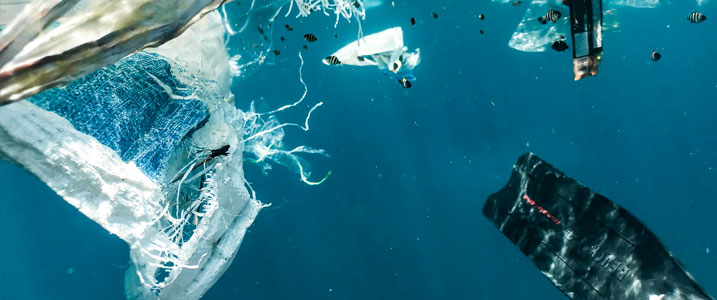
If you care about the environment, you have probably spent time thinking about the sustainability of your daily habits. Is boating sustainable? And are there ways to make it more environmentally friendly?
Sustainability is a broad and nuanced topic. It cannot always be reduced to simple rules. However, by understanding the environmental impact of your habits, you can begin boating sustainably and make informed decisions on the water.
What Is Sustainable Boating?
Sustainable boating refers to the practice of enjoying the water while preserving the natural environment. It means avoiding activities that cause harm and making environmentally conscious choices wherever possible.
Every boater can play a role. When more people commit to sustainable boating, the collective impact is significant. Together, we can protect our marine environments, preserve wildlife, and ensure future generations can enjoy clean, healthy waters.
Minimise Pollution
Reducing pollution is central to sustainable boating. Keeping water clean helps maintain ecosystems and protects marine life.
- Fuel with care. Take steps to prevent fuel from spilling into the water.
- Address fuel and oil spills immediately. Use skimming tools or approved clean-up products.
- Dispose of blackwater and greywater correctly. Only discharge in approved locations.
- Reduce waste. Never discard rubbish into the sea or inland waterways.
Minimising air pollution is equally important
Understand your carbon footprint. This reflects the emissions you produce during boating. Aim to reduce your overall environmental impact.
- Monitor your fuel usage. Avoid using more fuel than necessary to reduce air pollution.
- Use electric or efficient engines. Modern electric outboard engines or high-efficiency models produce fewer emissions.
- Consider biodiesel. Biodiesel is renewable, non-toxic, and burns cleaner than conventional fuels. Conversion is simple and cost-effective.
- Supplement with renewable energy. Solar and wind energy are excellent sources of clean power and are ideal for use on board.
- Maintain your vessel regularly. A well-maintained engine runs more efficiently and reduces harmful emissions.
Use Eco-Friendly Products
- Eco-friendly products are a key part of boating sustainably. They reduce your impact on marine environments and are often easy to adopt.
- Choose eco-friendly sunscreen. Standard sunscreens may contain chemicals harmful to aquatic life. Look for biodegradable, reef-safe alternatives.
- Use non-toxic cleaners. These are widely available, effective, and safer for both the environment and your vessel.
- Select marine paints carefully. Certain paints are designed to limit the release of harmful substances and reduce environmental damage.
Protect Wildlife
Boating sustainably also means being respectful of marine life and avoiding activities that cause harm.
- Anchor responsibly. Follow local anchoring guidelines. Avoid dragging the anchor or damaging sensitive seabeds.
- Avoid propeller use in shallow areas. This helps protect plants and animals living in those ecosystems. Use a depth finder to guide navigation.
- Keep your distance from marine wildlife. Do not approach or feed animals, as this can disrupt their behaviour and put them at risk.
- Fish with care. Adhere to local fishing regulations. Release protected or endangered species and dispose of fishing lines and gear responsibly.
- Be mindful of invasive species. Clean your boat thoroughly to avoid transporting species between ecosystems. Do not release non-native animals or plants into new environments.
Other Habits
Boating sustainably extends beyond time spent on the water. It also involves considering related lifestyle habits.
Think about your travel habits. Do you make efficient use of trips or extend outings unnecessarily? Do you use reusable bags when stocking up on supplies? When you return home, do you reduce energy use by choosing fans and cool showers over air conditioning?
Sustainable boating does not require major lifestyle changes. A few small adjustments and thoughtful habits can make a lasting impact. You can continue enjoying the water while helping to protect the world around you.
If you are looking for a more energy-efficient or eco-conscious vessel, now may be a good time to upgrade.
Browse our range of new and used boats for sale and take the next step towards boating sustainably.
FAQ
What is the most eco-friendly type of yacht?
The most eco-friendly yachts are electric or hybrid-powered vessels that use renewable energy sources like solar panels or wind turbines. These yachts reduce carbon emissions, minimise fuel use, and offer quieter, more sustainable cruising. When browsing yachts for sale, look for models featuring electric propulsion, energy-efficient systems, and eco-conscious materials.
How can I make my yacht more environmentally friendly?
To make your yacht more sustainable, consider upgrading to a high-efficiency or electric engine, using eco-friendly antifouling paints, and installing solar panels or wind generators. Also, switch to biodegradable cleaning products and reef-safe sunscreens. Regular maintenance ensures optimal engine performance and reduces emissions. Visit TheYachtMarket.com to find yachts designed with sustainability in mind.
Can luxury yachting be sustainable?
Yes, luxury yachting can be sustainable with the right practices and technology. Many modern luxury yachts now feature hybrid propulsion, smart energy systems, and sustainable materials. By adopting green habits, like responsible anchoring, waste reduction, and wildlife protection, owners can enjoy eco-conscious luxury on the water. Explore our listings for environmentally friendly luxury yachts.
Are there eco-friendly yachts for sale in the UK and Europe?
Absolutely. The yacht market in the UK and Europe is increasingly offering eco-friendly options, from electric day cruisers to hybrid sailing yachts. Whether you're buying new or used, there are many yachts designed for lower environmental impact.